

Green Tea vs. Black Tea: A Beginner's Guide to Taste, Caffeine, and Brewing
Green tea and black tea are made from the same plant, Camellia sinensis. A grower picks the leaves, and then one decision changes everything: heat them right away, or let them rest and darken. That choice explains the color in your cup, the smell when you open the tin, how hot the water should be, and how long the leaves can sit before the brew turns bitter. Once you understand that split, buying and brewing tea stops feeling like guesswork.
Oxidation Is the Whole Story
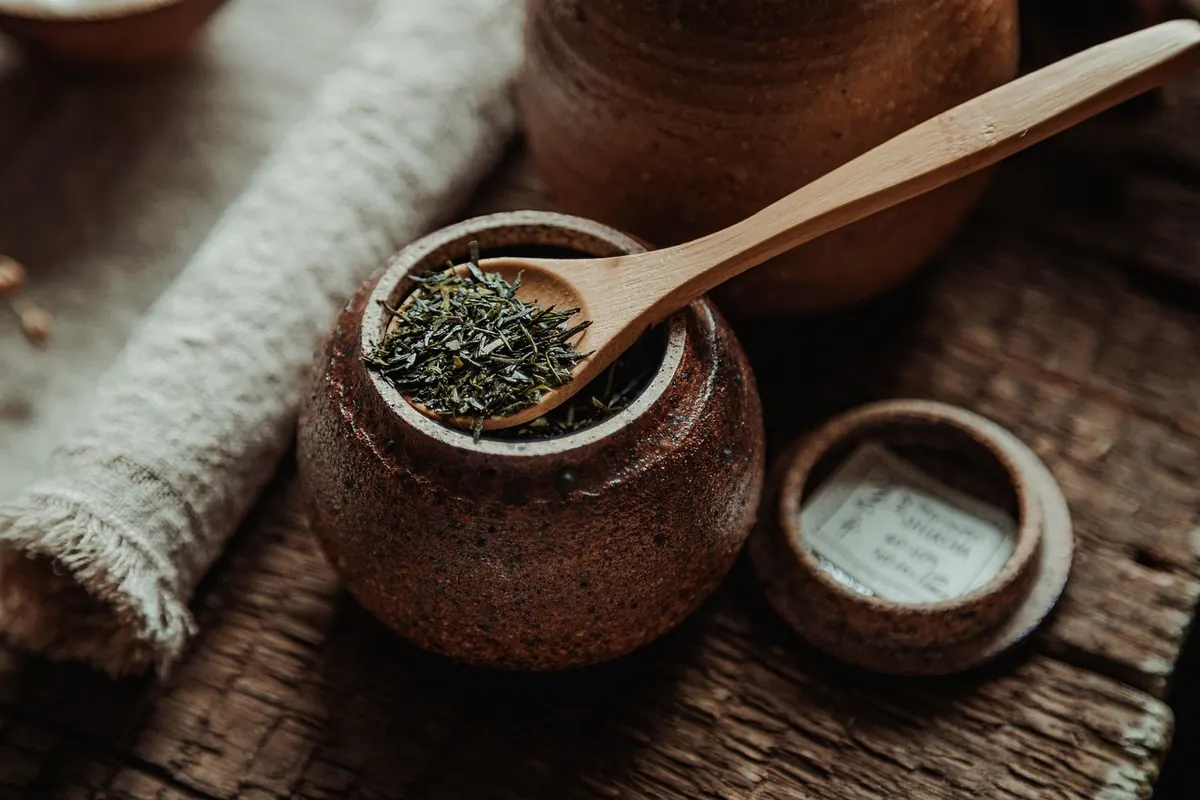
Green tea is heated within hours of picking — steamed in most of Japan, pan-fired in much of China. The heat shuts down the enzymes that would otherwise darken the leaf, so it stays green and keeps its fresh, vegetal character.
Black tea takes the opposite route. The leaves are rolled to bruise the cell walls, then left in a warm, humid room to oxidize, sometimes for hours. The leaf turns coppery and the flavor shifts from grassy to malty, fruity, or honeyed. Then it's fired to stop the process.
Worth knowing: oolong sits between the two, partially oxidized, and white tea is barely processed at all. Green and black aren't two different plants — they're two stops on a spectrum.
Taste: What You'll Actually Notice
Green tea
Expect grass, steamed vegetables, seaweed, chestnut, and a faint sweetness. A Japanese sencha is brisk, marine, and a little savory. A Chinese longjing (dragon well) is softer and toasty, like roasted nuts. Gyokuro is deep and brothy. When green tea tastes harsh or soapy, the culprit is usually water that's too hot or leaves that steeped too long.
Black tea
Black tea is bigger and rounder. Assam is malty and brisk, and it's the one most people want with milk. Darjeeling is lighter and floral, with a grape-skin quality. Ceylon is bright and citrusy. Keemun leans cocoa and smoke. Black tea also holds up to milk, sugar, lemon, and spices, which is why masala chai is built on it.
Bitter green tea is almost always a brewing problem, not a tea problem.
Caffeine: It's More About the Brew Than the Leaf
By weight, black tea leaves generally carry a little more caffeine than green, but that gap is small compared with what happens in your kitchen. Water temperature and steeping time pull caffeine out of the leaf, so a two-minute green tea at 170°F can easily end up gentler than a five-minute black tea at a rolling boil.
Other variables matter too: how much leaf you use, how much water, whether it's loose leaf or a bag, the cultivar, the harvest, and how old the tea is. Nobody can give you an exact number for your cup without testing it.
Many drinkers describe green tea's lift as calmer and more even than coffee's, even at similar caffeine levels. That's a personal impression rather than a promise. If you're pregnant, breastfeeding, taking medication, or simply sensitive to caffeine, ask a healthcare professional what fits your situation.
Brewing Temperatures and Times That Work
Green tea
Aim for 160–175°F (70–80°C) and one to two minutes. Delicate teas like gyokuro prefer the lower end; a sturdy sencha can handle two to three minutes. Use about one teaspoon of loose leaf per 8 ounces (240 ml) of water, or roughly 2–3 grams.
Black tea
Go hotter: 200–212°F (93–100°C), for three to five minutes. A full boil is fine. If you plan to add milk, steep a little longer or use a bit more leaf so the tea doesn't disappear behind the dairy.
A simple method that works for either:
- Start with fresh, cold water. Stale or heavily mineral water flattens the flavor.
- Boil, then let the kettle sit for a minute or two for green tea. For black tea, pour right away.
- Measure the leaf rather than guessing. A teaspoon is a starting point, not a rule.
- Set a timer. Steeping by color is unreliable, especially in a dark mug.
- Taste at the early end of the range, then adjust next time. Note what you changed.
- Re-steep. Good loose leaf green tea often gives two or three rounds; add a little time to each.
Which One Is Right for You?
If you want something light to sip through a morning of work, start with green. If you want a cup that feels like a proper pause, or you take your tea with milk, start with black. Season matters less than mood, but plenty of people drift toward green in summer and black in winter without thinking about it.
Food is a useful guide. Green tea suits rice, fish, salads, and anything light and herbal. Black tea handles buttered toast, chocolate, cheese, and spiced food without getting lost.
Four Beginner Mistakes Worth Avoiding
- Boiling water on green tea. It scalds the leaf and brings out bitterness fast. Let the kettle rest.
- Too little leaf. Weak tea tempts you to steep longer, which only adds bitterness. Add leaf instead.
- Leaving the bag in. A bag left in the mug keeps extracting. Pull it out when the timer goes.
- Judging all green tea by one bad cup. A stale bag from the back of a cupboard says nothing about a fresh sencha.
Start With One Good Cup
Pick one tea — a sencha or a Ceylon, for example — and buy a small amount from a shop that moves stock quickly, since tea goes flat with age. Brew it twice at different temperatures and taste both side by side. You'll learn more from that one comparison than from reading a dozen guides, and you'll know exactly how you like your tea. Then keep the habit simple: good water, a timer, and a teaspoon you trust.
Photo: luctheo / Pixabay