The Japanese Tea Ceremony for Beginners: Etiquette, Tools, and Mindful Sipping
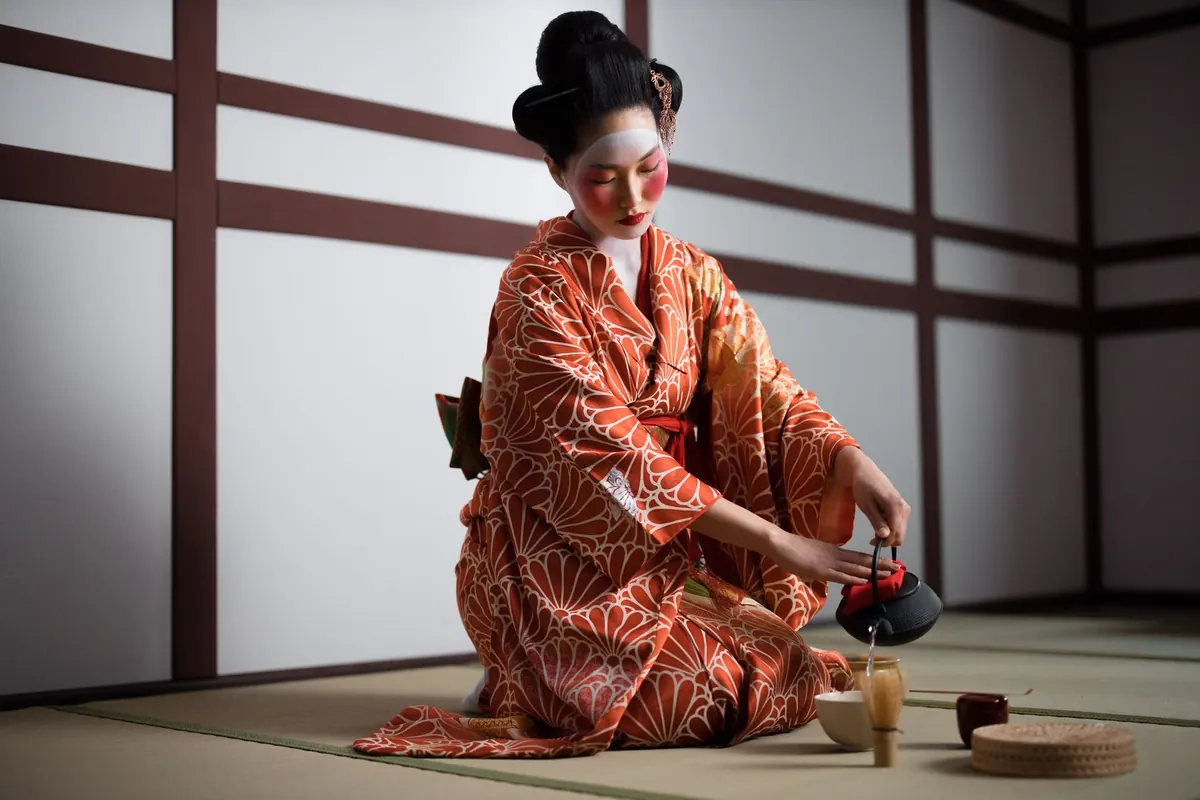
Somewhere in a room the size of a small bedroom, a host kneels on tatami, folds a silk cloth, and wipes a lid rest that is already perfectly clean. Then a bowl of matcha arrives: warm, green, faintly bitter. That bowl is the whole point of the afternoon, and also not the point at all.
The Japanese tea ceremony, chanoyu, is a choreography of hospitality. You don't have to master any of it to attend one. You only need to know what is happening, and how to accept a bowl of tea with a little grace.
What a Tea Ceremony Actually Is
Two terms come up constantly. Chanoyu means roughly "hot water for tea." Chadō means "the Way of Tea" — the practice, the study, the lifetime pursuit. Japanese speakers use both, often loosely.
Not every gathering looks like the postcard. A formal chakai can stretch over several hours and include a meal, a charcoal arrangement, and both thick tea and thin tea. A beginner-friendly session in the simpler ryakubon style might last thirty minutes at an ordinary table, with a tray. Both are legitimate tea.
A phrase that runs through the tea world: ichi-go ichi-e — one time, one meeting. This gathering will never happen exactly this way again, so attend to it.
The Tools You'll See
- Chawan (tea bowl) — the wide bowl you drink from, chosen for the season and the occasion. Some are rustic and uneven; some are glazed and precise.
- Chasen (bamboo whisk) — carved from a single piece of bamboo with dozens of fine tines. It turns powdered matcha and hot water into a foamy drink.
- Chashaku (bamboo scoop) — a slim curved scoop for measuring tea from the caddy into the bowl. Two scoops is a common measure for thin tea.
- Natsume or chaire (tea caddy) — the lidded container holding the matcha. A lacquered natsume is typical for thin tea; a ceramic chaire for thick tea.
- Kama and hishaku (kettle and ladle) — the iron kettle over a sunken hearth or brazier, plus the bamboo ladle that carries hot water into the bowl.
- Kensui (waste water bowl) — where the host empties rinse water. It looks decorative and works hard.
- Fukusa and chakin (cloths) — a silk cloth for purifying utensils and a small linen cloth for wiping the bowl. Watching a host fold a fukusa is half the show.
How a Simple Gathering Unfolds
- Guests gather in a waiting room, then enter the tea room one at a time, bowing at the threshold.
- Everyone settles and takes in the alcove — a scroll, a single flower, sometimes a seasonal object — and the hearth or brazier.
- Sweets come first. You eat them before the tea, not after; they soften the bitterness of the matcha.
- The host purifies each utensil in front of you, handling bowl, whisk and scoop in a fixed order.
- The tea is whisked and passed to the first guest. That guest drinks, then asks the host about the bowl, the tea or a utensil — an appreciative question, not small talk.
- The bowl travels to each guest in turn, and each person wipes the rim before passing it on. When everyone has drunk, the host cleans up and guests bow at the door on the way out.
Guest Etiquette That Matters Most
Bowing, without overthinking it
A shallow standing bow with your hands at your sides covers arriving and greeting. A seated bow — hands flat on the tatami in front of you, back straight, eyes lowered — covers receiving tea and thanking your host. Fifteen degrees and a beat of stillness is nearly always enough. Rushing a bow is far more noticeable than bowing slightly shallow.
Your bowl is handled like something rare
When the bowl reaches you, don't grab it. Set your folded paper, the kaishi, on the tatami in front of you, place the bowl on it, and bow. Lift the bowl with your right hand, settle it onto the flat palm of your left hand, and hold it near your chest. Turn it clockwise twice, a quarter turn each time, so the decorated front faces away from you.
Drink in three or four unhurried sips, with a soft slurp on the last one — that sound signals "finished, and it was good." Wipe the rim where your lips touched with your fingers, wipe your fingers on the kaishi, and turn the bowl back so its front faces the host. Bow, and pass it on.
Sweets first, then tea
Place the sweet on your kaishi, use the wooden pick for soft sweets, and finish it before the tea arrives. The sweetness prepares your palate and settles your stomach. Nobody wants a half-eaten sweet in hand when the bowl appears.
Arrive early and dress for kneeling
Come ten to fifteen minutes early; latecomers disturb the whole room. Wear loose clothing that won't fight you when you sit on your heels, and clean white socks, since bare feet on tatami reads as careless. Skip strong perfume and jangling bracelets. If your legs go numb in seiza, shift your weight quietly, and ask your host beforehand about a cushion, stool or cross-legged seat rather than deciding mid-ceremony.
Small Mistakes Everyone Makes Once
- Drinking from the decorated front of the bowl instead of turning it.
- Setting the bowl down on the bare tatami instead of on paper or in your palm.
- Chatting through the whisking — the sound of the chasen is part of the ceremony.
- Drinking before a senior guest without a quiet "osakini shitsurei shimasu," roughly "excuse me for going ahead."
- Offering three compliments during the tea instead of one sincere question about the bowl afterward.
Where to Start
Look for a beginner session rather than a formal chakai. Cultural centers, temples and tea schools in larger cities run introductory classes, and some tea shops and ryokan host short demonstrations. A first lesson usually covers sitting, bowing and whisking thin tea yourself — enough to feel the rhythm.
You can also practice at home. Whisk matcha with water around 80°C, not boiling
Photo: cottonbro studio / Pexels